Heat Recovery Ventilation: How to Choose the Right Unit
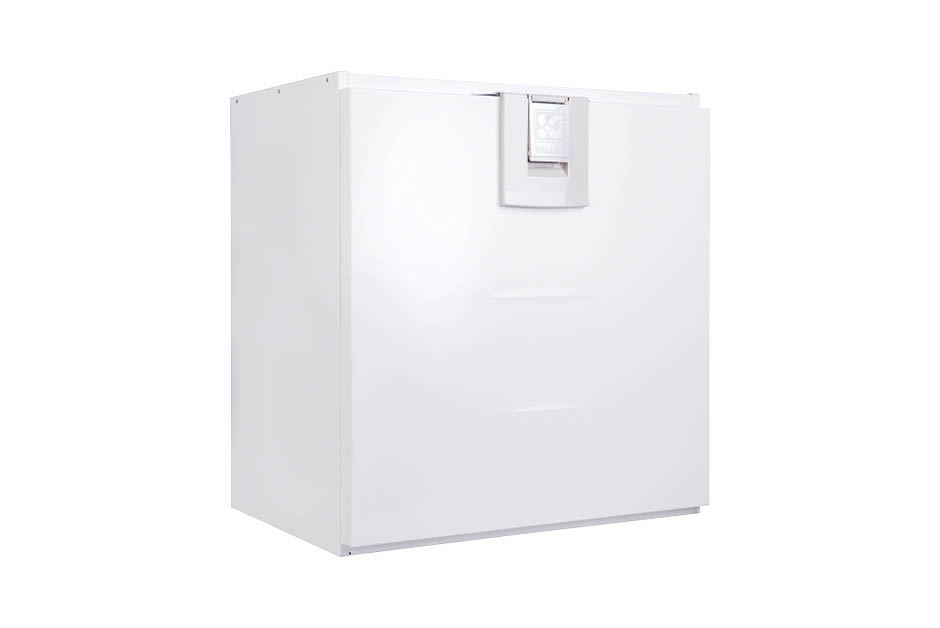
Heat recovery ventilation is the heart of today's energy-efficient home. It ensures fresh air without heat escaping through the windows. In this article, we explain how the system works, the difference between HRV and ERV, and how to choose the right unit for your home.
How Does Heat Recovery Work?
The unit blows fresh outdoor air in and extracts used warm air out. These two airflows meet in a heat exchanger, where the heat from the outgoing air is transferred to the incoming air – without the airflows mixing. In winter, pre-warmed fresh air reaches the room, significantly reducing heating costs. Modern units recover up to 85–90% of the heat.
HRV vs ERV: What's the Difference?
- HRV (Heat Recovery Ventilator) – transfers only heat. Well-suited for the Estonian climate and homes with higher indoor humidity.
- ERV (Energy Recovery Ventilator) – transfers both heat and some moisture. Keeps indoor air less dry in winter, which is more comfortable.
Which one is suitable depends on the house and the family's habits. We can help you make a choice during the design process.
How to Choose the Right Unit? 4 Criteria
1. Airflow Volume (m³/h)
Must match the size of the house. For example, ~250 m³/h is suitable for a ~120 m² house, ~400 m³/h for a ~170 m² house, ~500 m³/h for a ~250 m² house.
2. Efficiency
The higher the heat recovery percentage, the lower the heating costs. Quality units range from 80–90%.
3. Noise Level
Near bedrooms, a quiet unit is important. Good design and sound attenuators keep noise levels low.
4. Manufacturer and Warranty
KoduVent offers reliable brands: Komfovent, Zehnder, and Flexit.
Popular Units and Prices
- Komfovent Domekt R 450 V – rotary heat exchanger, ~86% efficiency — ~2750 €
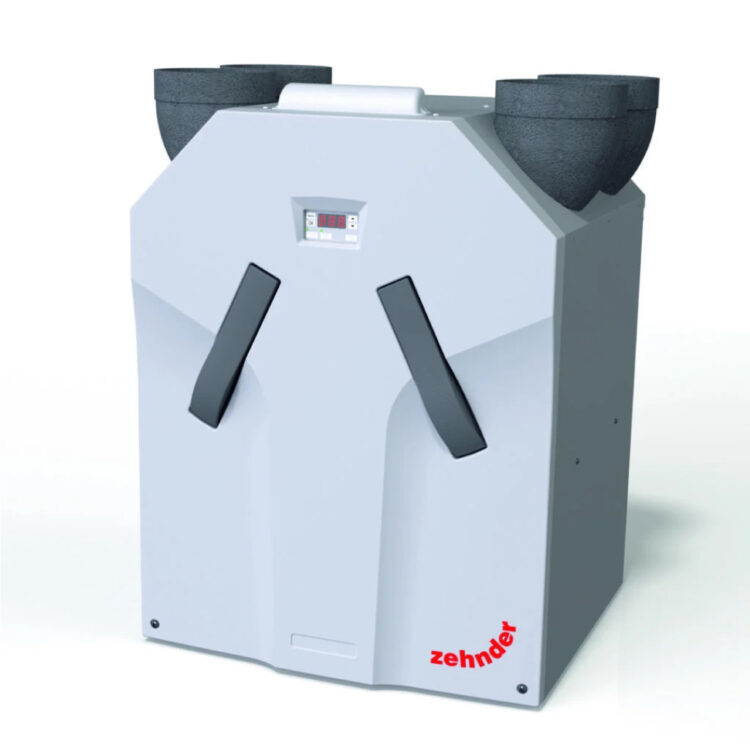
- Zehnder ComfoAir Q 450 ERV – moisture recovery, up to 450 m³/h — ~4330 €
- Zehnder Comfoair 375 HRV – plate heat exchanger — ~2100 €
Prices include VAT, but not installation. Full system with installation: ~4000–9000 €. Request a quote.
Is It Worth It?
Yes. Although a heat recovery system is more expensive than a simple exhaust fan, the recovered heat reduces heating costs every winter. In a tight new house lacking natural ventilation, it's the only sensible solution for ensuring healthy indoor air. Read general background: home ventilation: a complete guide.
Maintenance
A heat recovery unit requires regular filter changes (every 3–6 months) and periodic inspection. See ventilation maintenance.
Frequently Asked Questions
How much does heat recovery reduce heating costs?
Depending on the house and unit, up to 85–90% of the heat from the outgoing air is recovered, providing significant savings.
Is it suitable for an apartment?
Yes – room-based recuperators are often installed in apartments. See apartment ventilation.
HRV or ERV – which to choose?
In the Estonian climate, both work well; an ERV keeps indoor air less dry in winter. We recommend discussing the suitable option during a consultation.
KoduVent installs heat recovery ventilation across Estonia. Request a free quote – official partner of Komfovent, Zehnder, Flexit.
KoduVent
Koduvent is an Estonian ventilation company that has installed, maintained and designed ventilation systems for thousands of homes, apartments and commercial buildings over more than 20 years.
Request a free consultation
We will help you choose the best ventilation solution for your building — we reply within 24h.